
🌍 Europe Just Changed Its Entry Rules for 2026 — Here’s What Travelers Need to Know ✈️
Planning your next European adventure? Whether you’re dreaming of strolling through the vibrant streets of Spain, exploring the timeless beauty of Italy, relaxing on the stunning islands of Greece, or visiting multiple destinations across Europe, there are a few important travel updates you should know before you go.

Here’s A Quick Guide To What You Should Know Before You Go
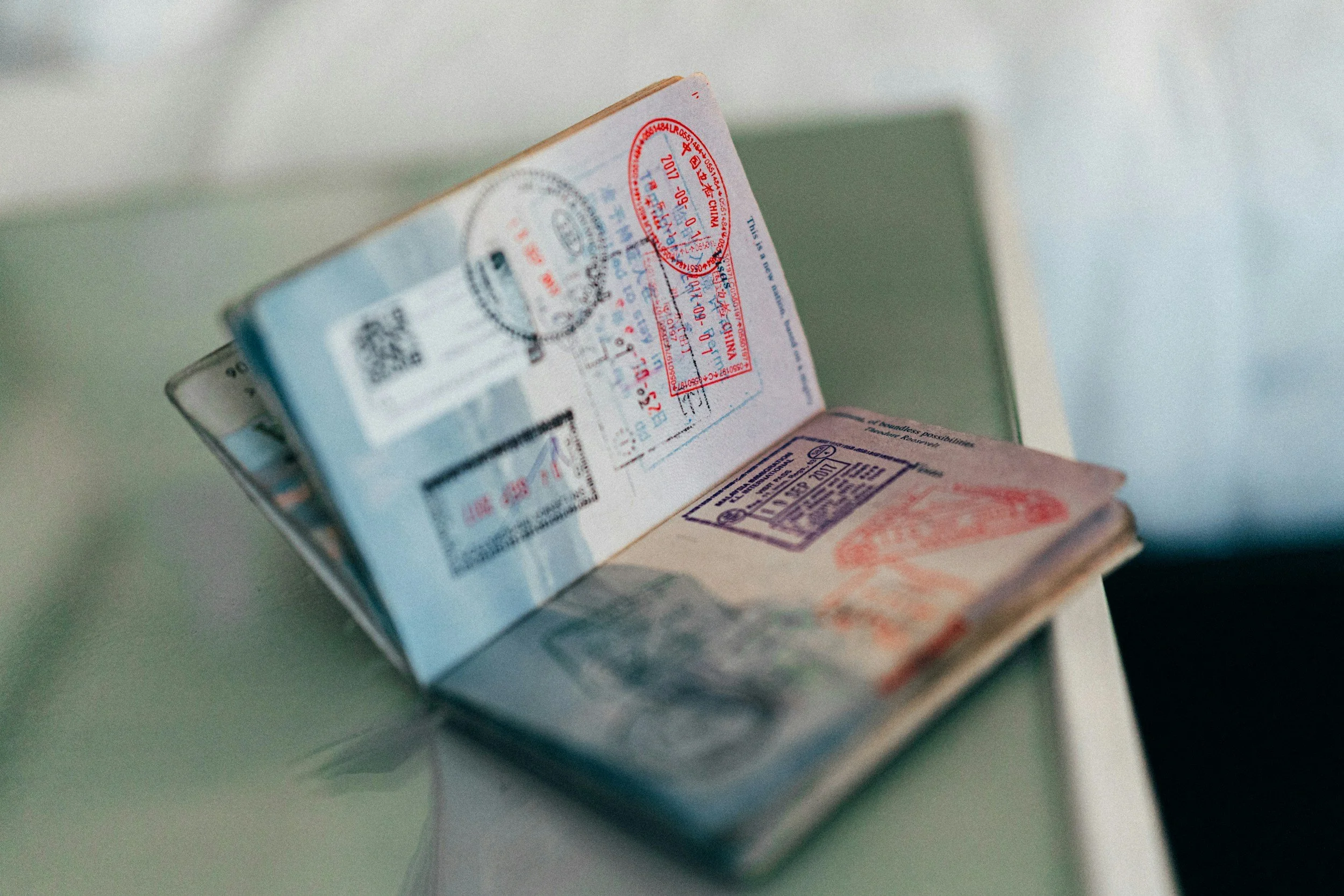
Before packing your bags, it’s important to stay updated on the latest travel requirements and changes affecting international travelers. The European Union is introducing new border procedures designed to modernize and improve entry processes for travelers visiting the Schengen Area. From new entry systems to visa updates, here’s everything you need to know before your European adventure begins.
1. ETIAS Travel Authorization Is Coming Soon
Travelers from visa-exempt countries will soon need an ETIAS (European Travel Information and Authorization System) approval before entering many European countries in the Schengen Area.
ETIAS is not a visa, but a pre-travel authorization designed to strengthen border security. Travelers will need to complete an online application, provide passport details, answer security questions, and pay a small fee before traveling.
Once approved, ETIAS authorization is expected to remain valid for multiple trips over several years or until the passport expires.
2. New Entry/Exit System (EES)
Europe is also introducing a new digital Entry/Exit System (EES) that will electronically record travelers entering and leaving Schengen countries.
Instead of receiving passport stamps, visitors may have their fingerprints and facial biometrics scanned at border control. The system is designed to improve border management and monitor short-stay limits more efficiently.
Travelers should expect slightly longer processing times during the initial rollout period.
3. Check Passport Validity Requirements
Many European countries require passports to:
Be valid for at least 3 to 6 months beyond your departure date
Have blank pages available for entry requirements
Be in good physical condition
Damaged or nearly expired passports can lead to denied boarding or entry.
4. Travel Insurance Is Highly Recommended
Although not always mandatory, travel insurance is strongly recommended for trips to Europe. A good policy can help cover:
Medical emergencies
Trip cancellations or delays
Lost luggage
Emergency evacuation
Some Schengen visa applicants may still be required to provide proof of travel insurance coverage.
5. Prepare for Peak Season Crowds
Popular destinations like Spain, Italy, Greece, France, and Portugal continue to experience heavy tourism during peak travel seasons.
To avoid higher prices and limited availability:
Book flights and hotels early
Reserve attractions in advance
Travel during shoulder seasons when possible
6. Digital Payments Are Widely Used
Most European destinations now heavily rely on contactless and digital payments. While carrying some local currency is useful, many places prefer:
Credit or debit cards
Mobile wallets
Tap-to-pay transactions
Be sure to notify your bank before international travel to avoid payment issues abroad.
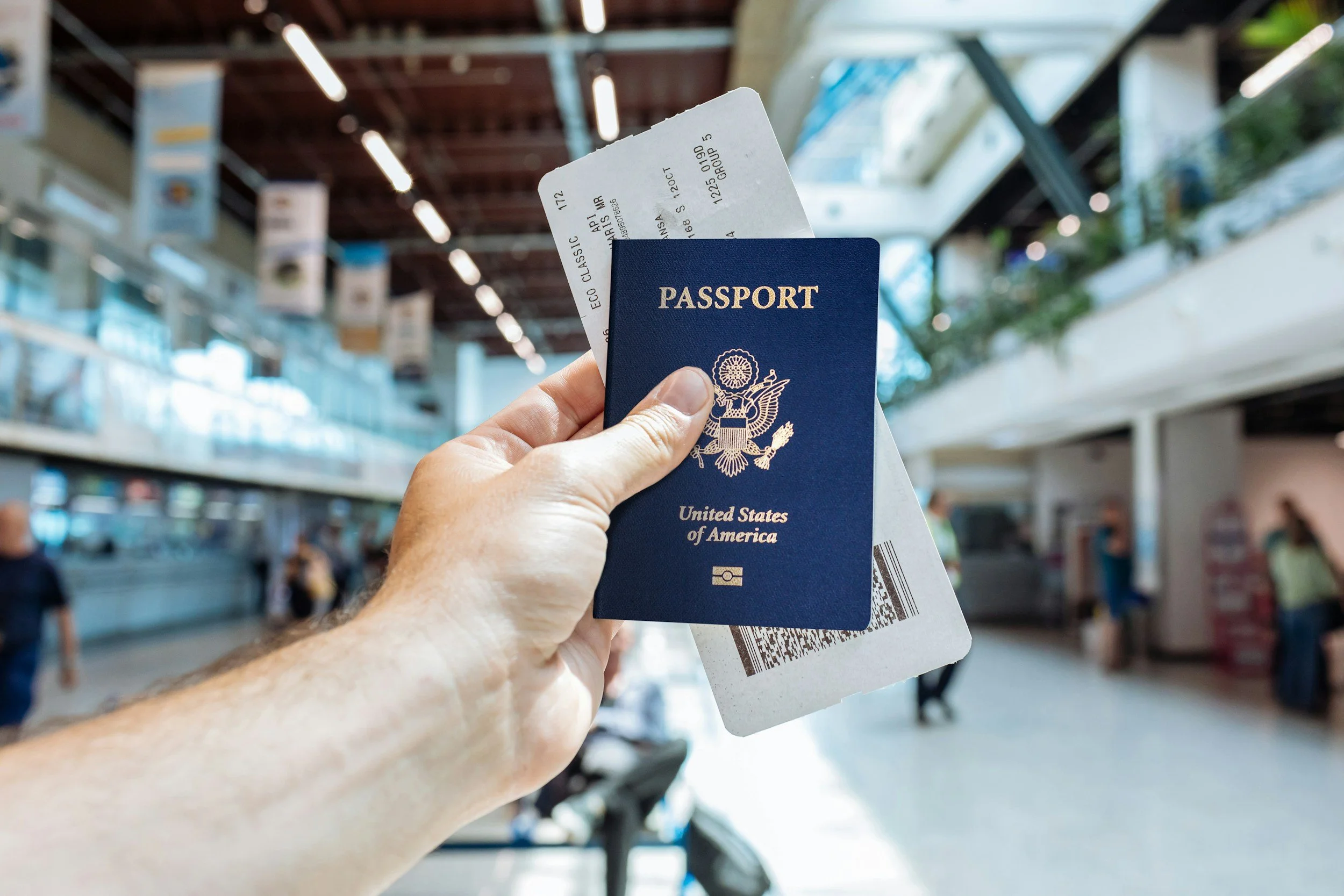
Stay Updated Before Departure
Europe remains one of the world’s most exciting travel destinations, offering incredible history, culture, food, beaches, and unforgettable experiences. By staying informed about the latest travel updates, you can focus on enjoying your journey with confidence and peace of mind.
“Being prepared helps ensure a smoother and more enjoyable European travel experience.”
Need Help Planning Your Europe Vacation?
Whether you’re planning a romantic getaway, family vacation, cruise extension, or multi-country European adventure, we are here to help make your travel experience simple and worry-free